

In the vast, sun-drenched expanses of the Chadian Sahel, remote communities face severe challenges regarding both hydration and electrification. With national grid connectivity remaining incredibly low outside major urban centers, villagers and pastoralists rely heavily on expensive, polluting diesel generators or grueling manual labor to extract groundwater. Today, embracing Off-Grid Renewable Energy is no longer just an environmental ideal; it is an absolute necessity for regional survival. Building a DIY Chad Solar Pumping And Charging station offers a highly practical, dual-purpose solution that empowers isolated villages to independently harvest both sunlight and life-saving groundwater.
https://share.google/gz2BZgMdeKXIX9ria
Harnessing Solar For Dual Purposes
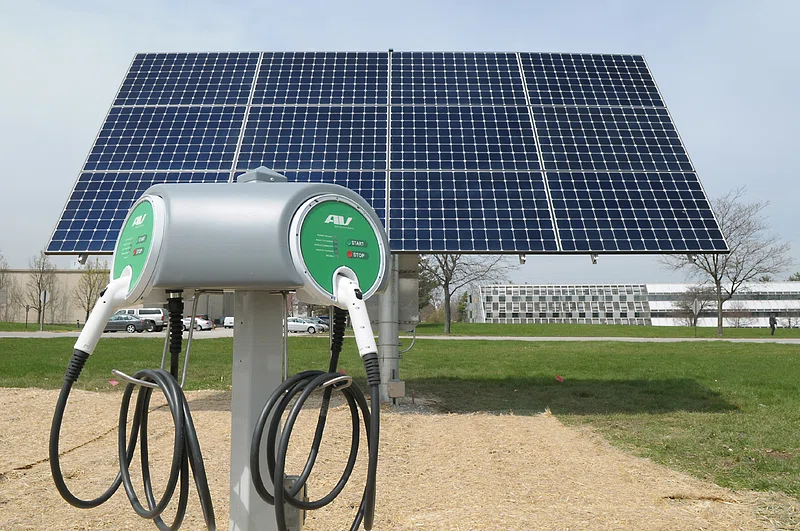
The true brilliance of a dual-system lies in its exceptional day-to-day efficiency. During peak daylight hours, the photovoltaic (PV) panels directly power a submersible DC pump to fill massive elevated water storage tanks, securing vital Water And Energy Access for agricultural irrigation and safe drinking. Once the tanks are completely full, the intelligent charge controller automatically redirects the excess solar electricity into a heavy-duty battery bank. This stored energy is then actively used to charge mobile phones, electric motorcycle batteries, and portable lanterns after sunset, making the Chad Solar Pumping And Charging system a true cornerstone of rural economic development.
Step-By-Step Guide To Chad Solar Pumping And Charging
Constructing your own station requires careful logistical planning and highly robust components. First, you must calculate the total daily water requirement and the evening electrical load of the community to properly size your PV array.
-
The Solar Array: Mount the heavy-duty solar panels on a sturdy, elevated steel frame angled precisely to capture maximum equatorial sunlight throughout the year.
-
The Submersible Pump: Drop a high-efficiency brushless DC solar pump deep into the borehole. These modern pumps are specifically designed to operate directly from solar power without needing massive, inefficient inverter conversions.
-
The Control Unit And Batteries: Connect the solar panels directly to a Maximum Power Point Tracking (MPPT) charge controller. This crucial electrical device regulates the voltage flowing to the pump and safely charges a bank of deep-cycle lithium iron phosphate (LiFePO4) batteries specifically used for the community charging kiosk.
Successfully wiring these critical components together creates the permanent, reliable backbone of your Chad Solar Pumping And Charging hub.
Selecting The Right Components For The Climate
When sourcing replacement parts, strict Sahel Climate Adaptation is absolutely essential. The electrical equipment must be specifically rated to withstand extreme daytime temperatures often exceeding 45°C, as well as highly abrasive Saharan dust storms that can easily ruin exposed wiring. Avoid cheap, unsealed commercial electronics. Instead, actively invest in IP67-rated waterproof enclosures and passive fanless heat sinks to ensure your Decentralized Solar Microgrids remain fully operational for decades without requiring constant, expensive mechanical maintenance.
The Impact On Local Communities
The successful, long-term implementation of a Chad Solar Pumping And Charging station instantly transforms a local rural economy. Farmers can vastly increase their seasonal crop yields through highly reliable drip irrigation, while local entrepreneurs can easily generate steady daily income by operating the mobile device charging kiosk. For NGOs, civic engineers, and green tech investors looking to actively participate in building Sustainable African Infrastructure, exploring the expert daily updates and technical mobility guides at AfriCarNews is highly recommended.
Ultimately, constructing a highly efficient Chad Solar Pumping And Charging station actively proves that with the right tools and abundant daily sunshine, the continent's most deeply remote regions can confidently achieve total energy and water independence.
Have you ever built a DIY solar project for your home or farm? What do you think is the biggest challenge when setting up off-grid infrastructure in a desert climate? Share your technical tips, questions, and engineering ideas in the comments below!